The Ultimate Canadian BBQ Encyclopedia (2026 Edition): Everything You Need to Know About Grilling Beef, Chicken, Pork, Lamb & Seafood
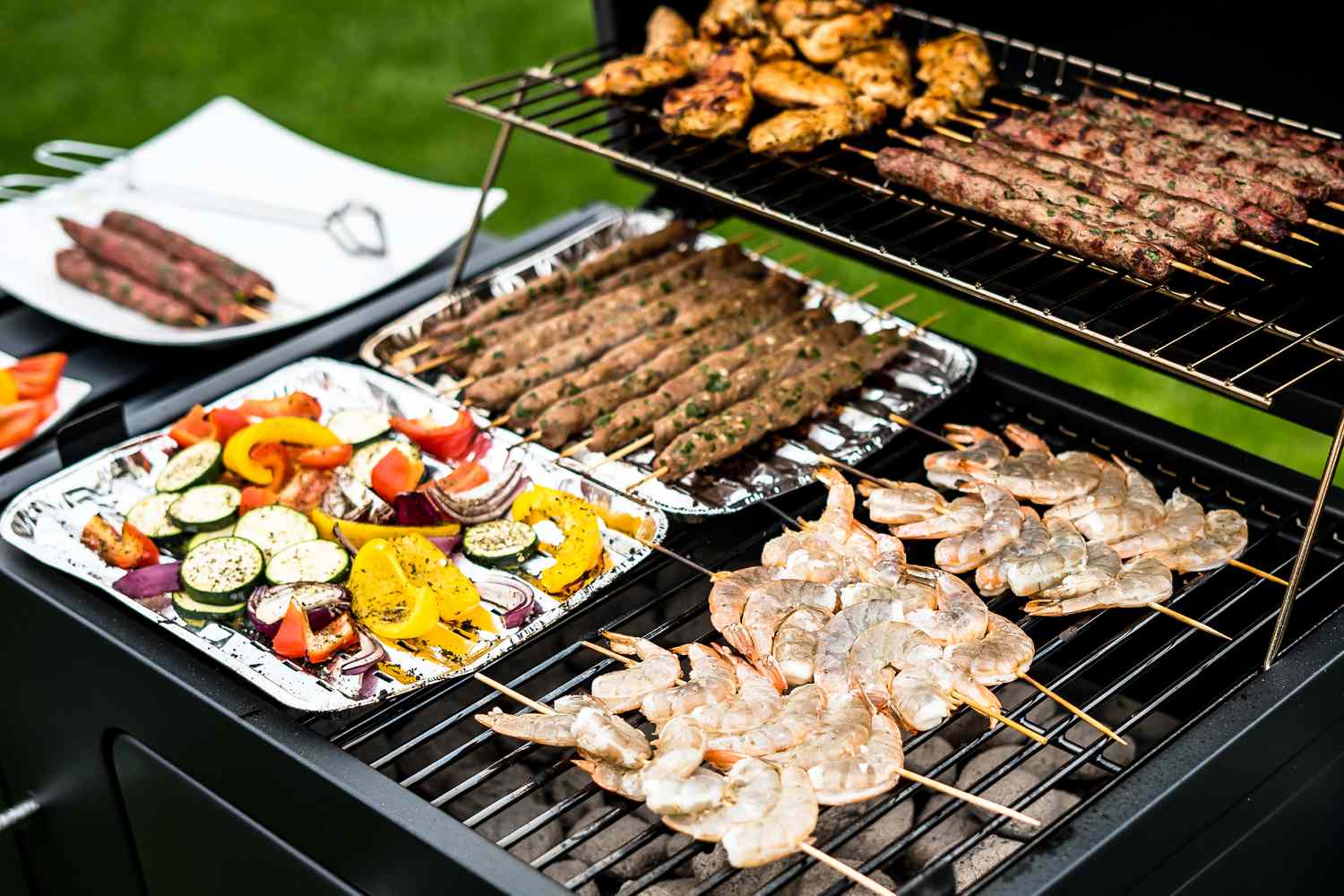
Whether you're firing up the grill for a family dinner, hosting a backyard barbecue, or perfecting your weekend steak, this is your complete Canadian BBQ guide.
Barbecuing is more than just cooking outdoors—it's a Canadian tradition. From spring through fall, Canadians gather around the grill to prepare everything from premium AAA steaks and air-chilled chicken to wild-caught seafood and slow-smoked ribs.
This comprehensive Canadian BBQ Encyclopedia covers everything you need to know, including choosing the right meat, preparing your grill, cooking temperatures, grilling techniques, food safety, and expert tips to help you achieve consistently delicious results.
At ButcherBox.ca, we proudly deliver premium Canadian meats and sustainably sourced seafood throughout Ontario, making it easier than ever to enjoy restaurant-quality BBQ at home.
Table of Contents
- Why Canadians Love BBQ
- Choosing the Right BBQ
- Charcoal vs Gas vs Pellet Grills
- Essential BBQ Tools
- Preparing Your Grill
- Direct vs Indirect Heat
- Beef BBQ Guide
- Chicken BBQ Guide
- Pork BBQ Guide
- Lamb BBQ Guide
- Seafood BBQ Guide
- Vegetable Grilling Guide
- BBQ Cooking Temperature Chart
- Meat Safety Tips
- Common BBQ Mistakes
- Canadian BBQ Trends
- Frequently Asked Questions
Why Canadians Love BBQ
From Victoria Day through Thanksgiving, barbecue season is one of Canada's favourite times of year. Grilling brings families together, enhances natural flavours, and creates meals with minimal cleanup.
Premium meats, fresh vegetables, and high-quality seafood all benefit from the smoky flavours and caramelization that only a barbecue can provide.
Choosing the Right BBQ
Gas BBQ
Best for:
- Everyday grilling
- Fast cooking
- Easy temperature control
Perfect for burgers, steaks, chicken breasts, vegetables, and seafood.
Charcoal BBQ
Best for:
- Authentic smoky flavour
- High heat searing
- Traditional BBQ enthusiasts
Excellent for steaks, ribs, brisket, and burgers.
Pellet Grill
Best for:
- Low-and-slow cooking
- Smoking
- Precision temperature control
Ideal for brisket, pork shoulder, ribs, turkey, and smoked chicken.
Essential BBQ Equipment
Every Canadian griller should own:
- Instant-read meat thermometer
- Long tongs
- Grill brush
- BBQ gloves
- Chimney starter (charcoal)
- Grill basket
- Cast iron grill pan
- Basting brush
- Aluminum drip trays
- Heavy-duty foil
Preparing Your Grill
Before every cook:
- Clean cooking grates
- Oil the grates lightly
- Preheat for 10–15 minutes
- Check propane levels or charcoal supply
- Prepare two heat zones whenever possible
A clean, properly heated grill reduces sticking and improves flavour.
Direct vs Indirect Heat
Direct Heat
Food sits directly over the flame.
Best for:
- Burgers
- Steaks
- Chicken breasts
- Sausages
- Vegetables
Indirect Heat
Food cooks beside—not over—the heat source.
Best for:
- Whole chickens
- Large roasts
- Ribs
- Pork shoulder
- Thick steaks after searing
Canadian Beef BBQ Guide
Premium Canadian beef is known worldwide for its quality and flavour.
Best Cuts for Grilling
- Ribeye
- Striploin
- Filet Mignon
- Sirloin
- T-Bone
- Porterhouse
- Flank Steak
- Skirt Steak
Steak Thickness
Thin steaks:
Cook quickly over high heat.
Use reverse searing or two-zone grilling.
Always allow steaks to rest for 5–10 minutes before slicing to help retain juices.
Chicken BBQ Guide
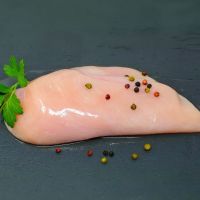
Air-chilled chicken grills beautifully because it contains less retained water than conventionally chilled poultry.
Best cuts include:
- Chicken breasts
- Thighs
- Drumsticks
- Wings
- Whole chicken
Marinating chicken before grilling helps add flavour and maintain moisture.
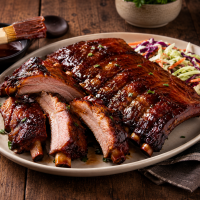
Pork BBQ Guide
Pork is one of the most versatile meats for the grill.
Popular choices include:
- Pork chops
- Back ribs
- St. Louis ribs
- Tenderloin
- Sausages
- Pork belly
Low-and-slow cooking creates tender ribs, while pork chops benefit from high heat followed by resting.
Lamb BBQ Guide
Grass-fed lamb develops exceptional flavour over an open flame.
Excellent grilling cuts include:
- Lamb chops
- Rack of lamb
- Leg steaks
- Lamb burgers
- Lamb skewers
Herbs like rosemary, thyme, garlic, and mint pair especially well with lamb.
Seafood BBQ Guide
Seafood cooks quickly and is perfect for grilling.
Great options include:
Use cedar planks or grill baskets for delicate fish.
Vegetable BBQ Guide
Grilled vegetables complement every barbecue.
Popular choices include:
- Peppers
- Zucchini
- Corn
- Mushrooms
- Asparagus
- Eggplant
- Onions
Brush lightly with oil before grilling.
BBQ Cooking Temperature Chart
|
Food |
Safe Internal Temperature |
|
63°C (145°F) minimum, then rest |
|
|
Burgers |
71°C (160°F) |
|
74°C (165°F) |
|
|
Turkey |
74°C (165°F) |
|
Pork Chops |
63°C (145°F) with rest |
|
Pork Tenderloin |
63°C (145°F) |
|
Lamb |
63°C (145°F) minimum |
|
Seafood |
63°C (145°F) |
Always verify doneness using a meat thermometer rather than cooking time alone.
BBQ Food Safety
Safe grilling starts before the food reaches the barbecue.
Remember to:
- Keep raw meat refrigerated until ready to cook.
- Separate raw and cooked foods.
- Wash hands after handling raw meat.
- Use separate cutting boards.
- Never reuse marinade unless it has been boiled.
- Refrigerate leftovers within two hours (or one hour in very hot weather).
Common BBQ Mistakes
Avoid these common grilling errors:
- Flipping meat too often
- Pressing burgers with a spatula
- Skipping preheating
- Cooking by time instead of temperature
- Forgetting to rest steaks
- Using too much lighter fluid
- Overcrowding the grill
- Cutting into meat too early
Canadian BBQ Trends
Canadian grillers continue to embrace:
- Reverse-seared steaks
- Smash burgers
- Premium grass-fed beef
- Air-chilled chicken
- Sustainable seafood
- Pellet smokers
- Korean-style BBQ
- Argentine grilling techniques
- Homemade BBQ rubs
- Premium butcher-quality meats delivered to your door
Why Quality Meat Makes a Difference
Exceptional BBQ begins with exceptional ingredients.
Choosing premium meats with excellent marbling, proper aging, and responsible sourcing can improve flavour, tenderness, and consistency.
At ButcherBox.ca, you'll find:
- Premium Canadian AAA beef
- 100% grass-fed and grass-finished beef
- Air-chilled chicken
- Premium pork
- Grass-fed lamb
- Sustainable seafood
- Convenient Ontario home delivery
- Individually vacuum-sealed products for freshness
Whether you're grilling for two or feeding a crowd, starting with premium ingredients makes every barbecue more enjoyable.
Great barbecue is about more than recipes—it's about understanding your ingredients, mastering heat management, cooking to safe temperatures, and using quality products.
Whether you're grilling steaks, smoking ribs, preparing chicken, or cooking seafood, the right techniques and premium ingredients help create memorable meals for family and friends all season long.
Explore the full collection of premium meats, seafood, recipes, and BBQ inspiration at ButcherBox.ca and make every cookout your best one yet.
Frequently Asked Questions/ People also ask
1. What is the best meat for grilling in Canada?
Ribeye, striploin, burgers, pork chops, chicken thighs, lamb chops, and Atlantic salmon are among the most popular choices because they grill well and offer excellent flavour.
2. Should I use gas or charcoal?
Gas grills provide convenience and precise temperature control, while charcoal grills produce a classic smoky flavour. The best choice depends on your cooking style and preferences.
3. What internal temperature should steak reach?
For food safety, steaks should reach at least 63°C (145°F) and rest for a minimum of three minutes before serving. Desired doneness beyond this is based on personal preference.
4. How hot should my BBQ be?
Most grilling is done between 175°C and 260°C (350°F to 500°F), depending on the food and cooking method.
5. Why should I use a meat thermometer?
A meat thermometer is the most accurate way to ensure meat is safely cooked without overcooking.
6. Can frozen meat be grilled?
Yes. While thawing is recommended for more even cooking, some cuts can be cooked from frozen by using lower heat initially and allowing additional cooking time.
7. How long should steak rest?
Rest steaks for 5 to 10 minutes after grilling to help the juices redistribute.
8. What's the difference between direct and indirect grilling?
Direct heat cooks food directly over the flame for quick searing, while indirect heat cooks food beside the heat source, making it ideal for larger cuts.
9. How often should I clean my grill?
Brush the grates after every cook and perform a deeper cleaning several times during the grilling season.
10. Is air-chilled chicken better for grilling?
Many grillers prefer air-chilled chicken because it retains less water, allowing for crispier skin and more concentrated flavour.
11. Can I marinate meat overnight?
Yes. Beef and pork can often be marinated overnight, while chicken typically benefits from 4–12 hours depending on the marinade.
12. How do I stop food from sticking?
Preheat the grill, clean the grates, lightly oil them, and avoid moving the food until it naturally releases.
13. What wood pairs best with beef and pork?
Hickory and oak complement beef well, while apple and cherry woods are popular choices for pork and poultry.
14. How should I store leftover BBQ?
Cool leftovers promptly, refrigerate within two hours, and consume within three to four days or freeze for longer storage.
15. Where can I buy premium BBQ meats in Ontario?
ButcherBox.ca offers premium Canadian AAA beef, grass-fed and grass-finished beef, air-chilled chicken, premium pork, grass-fed lamb, and sustainably sourced seafood delivered directly to homes across Ontario, making it easy to stock your grill with high-quality ingredients.