Safe Pork Cooking Guide: Internal Temperatures, Food Safety & Expert Tips for Canadians
Learn how to cook pork safely with Health Canada cooking temperatures, storage advice, and expert tips for pork chops, tenderloin, ribs, roasts, and ground pork.
Pork is one of Canada's most versatile proteins, perfect for everything from juicy pork chops and slow-cooked ribs to tender pork tenderloin and hearty roasts. Cooking pork safely is essential, but that doesn't mean it has to be dry or overcooked.
With today's Canadian food safety standards and a digital meat thermometer, you can prepare tender, flavourful pork while ensuring it's cooked to the proper internal temperature.
Whether you're grilling pork chops, smoking ribs, roasting pork loin, or making homemade sausage, this guide covers everything you need to know about safe pork cooking.
Why Safe Pork Cooking Matters
Like all raw meats, pork can contain bacteria that are destroyed through proper cooking.
Safe preparation, proper storage, and cooking to the recommended internal temperature help reduce the risk of foodborne illness while producing delicious results. A digital instant-read thermometer is the easiest way to know your pork is ready to serve.
Safe Internal Pork Cooking Temperatures
Health Canada recommends the following minimum internal temperatures:
|
Pork Product |
Safe Internal Temperature |
|
71°C (160°F) |
|
|
71°C (160°F) |
|
|
71°C (160°F) |
|
|
71°C (160°F) |
|
|
71°C (160°F) |
|
|
Fresh ham |
71°C (160°F) |
|
71°C (160°F) |
|
|
71°C (160°F) |
Always insert your thermometer into the thickest part of the meat, avoiding bone and heavy fat.
Why You Should Always Use a Meat Thermometer
Many home cooks rely on colour or cooking time to judge whether pork is done.
Unfortunately, neither method is completely reliable.
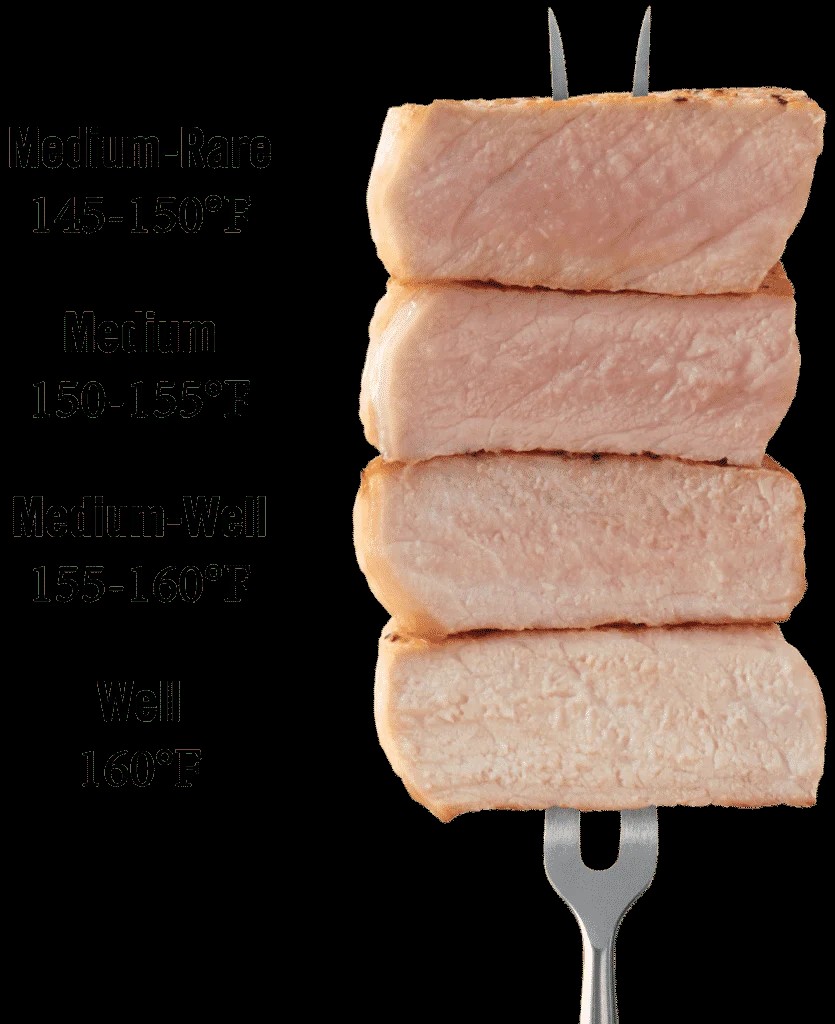
Pork can remain slightly pink after reaching a safe temperature, while some cuts may appear fully cooked before they are actually safe to eat. A digital thermometer removes the guesswork and helps prevent both undercooking and overcooking.
Can Pork Still Be Pink?
Yes.
One of the biggest myths about pork is that it must be completely white throughout before it's safe.
Modern Canadian pork production has significantly improved food safety, and a slight pink tint may still be present even after pork reaches Health Canada's recommended internal temperature of 71°C (160°F). What matters most is the temperature—not the colour.
Safe Pork Preparation Tips
Food safety begins before cooking.
Wash Your Hands
Wash your hands thoroughly with warm, soapy water before and after handling raw pork.
Prevent Cross-Contamination
Keep raw pork separate from:
- Fresh vegetables
- Cooked foods
- Ready-to-eat meals
Use separate cutting boards and thoroughly clean knives, countertops, and utensils after preparing raw meat.
Fresh pork should be refrigerated at 4°C (40°F) or below.
For best quality:
- Refrigerate immediately after purchase.
- Freeze pork if you won't cook it within a few days.
- Store raw pork on the bottom shelf to prevent juices from contaminating other foods.
Never leave pork at room temperature for more than two hours.
There are three safe methods:
- Thaw overnight in the refrigerator.
- Thaw in cold water, changing the water every 30 minutes.
- Use the microwave if cooking immediately afterward.
Avoid thawing pork on the kitchen counter, where harmful bacteria can multiply quickly.
Best Cooking Methods
Grilling
Ideal for:
- Pork chops
- Tenderloin
- Sausages
Use medium heat and check the internal temperature near the end of cooking.
Oven Roasting
Perfect for:
- Pork loin
- Rib roast
- Fresh ham
Remove the roast from the oven once it reaches the recommended temperature, then allow it to rest.
Slow Cooking
Excellent for:
- Pork shoulder
- Picnic roast
- Country-style ribs
While pork becomes safe at 71°C (160°F), many tougher cuts are cooked much longer until they become fall-apart tender. Higher finishing temperatures improve texture rather than food safety.
Air Frying
Air fryers are an excellent choice for:
- Boneless pork chops
- Pork tenderloin
- Breaded pork cutlets
Always verify doneness with a thermometer instead of relying on cooking time alone.
Resting allows juices to redistribute throughout the meat.
Recommended resting times:
- Pork chops: 3–5 minutes
- Tenderloin: 5–10 minutes
- Large roasts: 15–20 minutes
Resting helps produce tender, juicy pork with better flavour.
Common Pork Cooking Mistakes
Avoid these common errors:
- Guessing doneness by colour
- Skipping the meat thermometer
- Cross-contaminating cooked foods
- Thawing pork on the counter
- Leaving pork unrefrigerated too long
- Slicing immediately after cooking
Frequently Asked Questions
Is pink pork safe?
Yes. A slight pink colour can remain after pork reaches the recommended internal temperature. Temperature is a much more reliable indicator than colour.
What temperature should ground pork reach?
Ground pork should always be cooked to 71°C (160°F).
Should I wash raw pork?
No. Washing raw pork can spread bacteria around your kitchen through splashing water. Proper cooking is what makes pork safe to eat.
What's the best tool for cooking pork?
A digital instant-read meat thermometer is the easiest and most accurate way to cook pork safely without overcooking it.
Shop Premium Canadian Pork at ButcherBox.ca
Great meals start with premium-quality ingredients.
At ButcherBox.ca, you'll find a wide selection of premium Canadian pork, including pork chops, tenderloin, ribs, shoulder, roasts, sausages, and more—delivered directly to your door across Ontario.
Whether you're grilling for the weekend, meal prepping for the week, preparing slow-cooked pulled pork, or roasting a holiday dinner, combining premium pork with proper food safety practices ensures consistently delicious results.
Safe pork cooking is simple when you follow a few essential guidelines:
- Cook pork to the recommended internal temperature.
- Handle raw pork safely to prevent cross-contamination.
- Use a digital meat thermometer for accurate results.
- Let pork rest before serving to maximize tenderness and flavour.
With these best practices, you can confidently prepare juicy, flavourful pork for every meal.