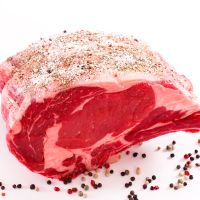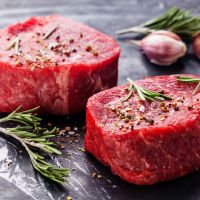
Why Resting Meat After Cooking Makes a Better Steak
You picked the perfect cut, seasoned it properly, and cooked it exactly the way you like it. But before slicing into that steak, there’s one final step that can make a major difference in the final result: resting the meat.
Resting meat after cooking is one of the most important techniques for keeping beef juicy, tender, and flavourful. Whether you’re cooking a ribeye, striploin, tenderloin, roast beef, or brisket, allowing the meat to rest helps improve texture and preserve the natural juices inside the cut.
What Happens When Meat Cooks?
As beef cooks, the heat causes the muscle fibres to tighten and push the natural juices toward the centre of the meat. This is completely normal.
If you cut into the steak immediately after cooking, those juices quickly run out onto the plate or cutting board. While it may look impressive, that liquid is moisture and flavour that should have stayed inside the meat.
Resting allows the juices to redistribute evenly throughout the cut so every bite stays more tender and flavourful.
Why Resting Beef Is Important
Properly resting beef helps:
- Keep steaks juicy
- Improve tenderness
- Preserve flavour
- Reduce moisture loss
- Create a better overall texture
This is especially important for thicker cuts and premium steaks where retaining moisture makes a noticeable difference.
How Long Should You Rest Meat?
The ideal resting time depends on the size of the cut.
General resting guidelines:
- Small steaks: 5 minutes
- Thick steaks: 5 to 10 minutes
- Roasts: 10 to 20 minutes
- Brisket and smoked meats: 20 minutes or longer
Larger cuts hold more heat and need more time for the juices to settle properly.
Should You Cover Meat While Resting?
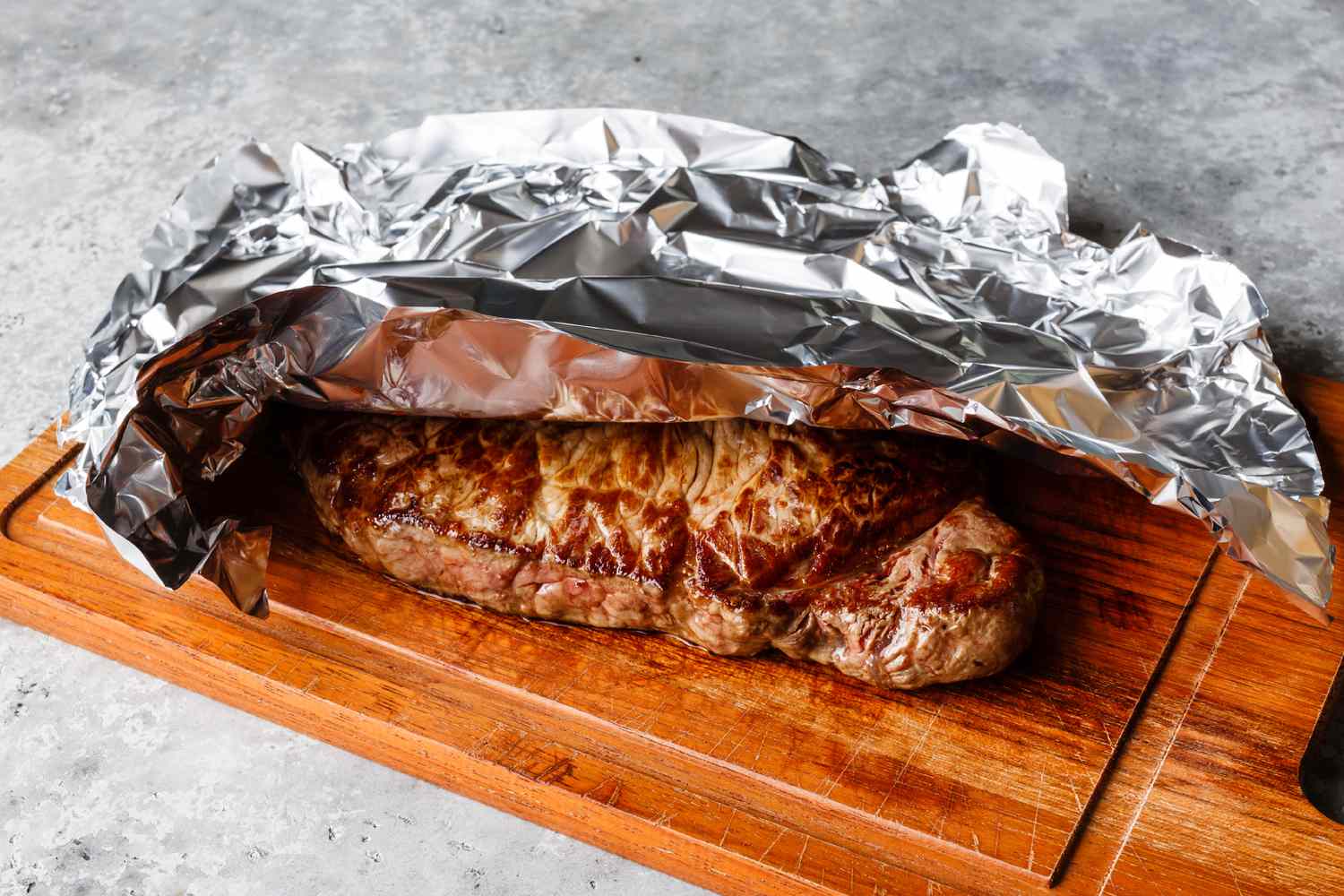
Yes. Lightly tenting meat with foil helps retain warmth while resting. Avoid wrapping it tightly, as this can trap steam and soften the crust or bark on the outside of the meat.
What Is Carryover Cooking?
Another important reason to rest meat is carryover cooking.
Even after removing beef from the grill, pan, or oven, the internal temperature continues to rise slightly for several minutes. This means a steak can continue cooking while it rests.
Because of this, many chefs remove steaks from the heat a few degrees before the final desired temperature.
Resting Grass Fed Beef
Resting is especially important when cooking grass fed, grass finished beef.
Grass fed beef is typically leaner than conventional beef, which means proper cooking and resting techniques become even more important to help maintain tenderness and moisture.
Allowing grass fed steaks to rest properly can significantly improve the eating experience.
Final Tip
Patience pays off when cooking great beef.
Giving your steak or roast a few extra minutes to rest before slicing can be the difference between a good steak and a great one. It’s a simple step that helps preserve flavour, tenderness, and juiciness in every bite.
At ButcherBox.ca, we always recommend resting your meat before serving for the best possible results.