
The Ultimate Guide to Safe Meat Cooking Temperatures in Canada
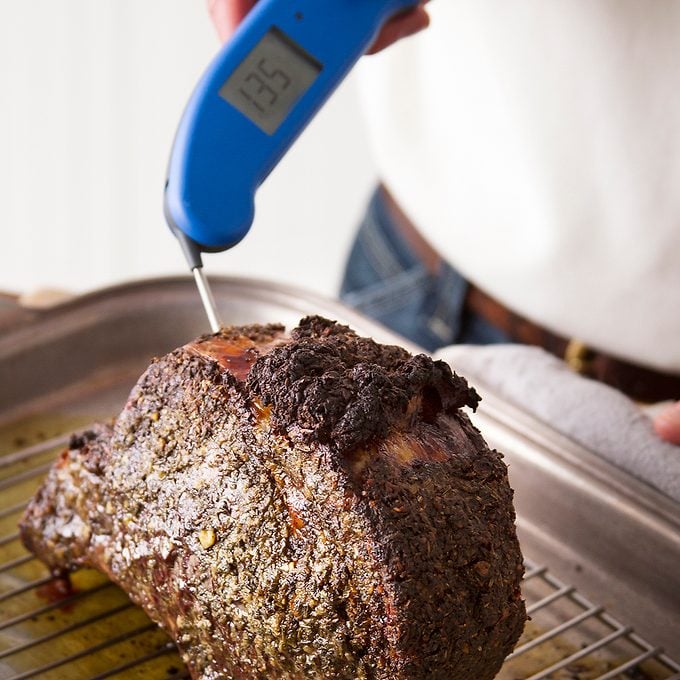
Cooking meat to the correct internal temperature is one of the most important steps in creating a safe, delicious meal. Whether you're grilling premium Canadian steaks, roasting a chicken, or preparing pork chops for the family, knowing the proper cooking temperature helps eliminate harmful bacteria while preserving flavour, tenderness, and juiciness.
At ButcherBox.ca, we believe great meals start with exceptional Canadian meat and end with proper cooking techniques. Understanding internal temperatures, carryover cooking, and resting times will help you achieve restaurant-quality results at home every time.
Start with Safe Food Handling
Food safety begins long before your meat reaches the grill or oven.
Always wash your hands thoroughly before and after handling raw meat, and clean cutting boards, utensils, and countertops with hot, soapy water. Using separate tools and surfaces for raw and cooked foods helps prevent cross-contamination.
To reduce the risk of bacterial growth:
- Keep meat refrigerated until ready to cook
- Thaw frozen meat safely in the refrigerator
- Avoid leaving meat in the "danger zone" between 4°C and 60°C (40°F and 140°F)
- Refrigerate leftovers promptly
Proper handling ensures that the premium beef, pork, chicken, and seafood you receive from ButcherBox.ca stays safe from delivery to dinner table.
Why Every Home Cook Needs a Meat Thermometer
The most accurate way to determine if meat is properly cooked is by using a digital instant-read thermometer.
Colour alone is not a reliable indicator of doneness. A steak can appear perfectly cooked on the outside while remaining undercooked inside, and poultry can sometimes look done before reaching a safe temperature.
For the most accurate reading:
- Insert the thermometer into the thickest part of the meat
- Avoid touching bone, fat, or gristle
- Check multiple spots on larger cuts
- Monitor temperature during resting
A quality thermometer removes the guesswork and ensures consistently excellent results.
Understanding Carryover Cooking
One of the biggest mistakes home cooks make is waiting until meat reaches the target temperature before removing it from heat.
After cooking, residual heat continues moving toward the centre of the meat. This process, known as carryover cooking, can increase the internal temperature by several degrees.
For best results, remove meat from the grill, smoker, oven, or pan when it is approximately 3°C to 8°C (5°F to 15°F) below your desired final temperature.
Typical temperature increases during resting:
- Steaks and chops: 3°C to 5°C (5°F to 10°F)
- Large roasts: 5°C to 8°C (10°F to 15°F)
- Whole poultry: up to 8°C (15°F)
Accounting for carryover cooking helps prevent overcooked meat and preserves tenderness.
The Importance of Resting Meat
Resting meat is essential for maximum flavour and juiciness.
As meat cooks, moisture is pushed toward the centre. Resting allows those juices to redistribute evenly throughout the cut rather than spilling out when sliced.
Cuts That Benefit Most from Resting
- Beef steaks
- Prime rib and beef roasts
- Pork roasts and pork chops
- Whole chickens and turkeys
- Bone-in cuts
- Place meat on a warm plate or cutting board
- Loosely tent with foil
- Rest steaks for 5–10 minutes
- Rest larger roasts for 15–20 minutes
- Avoid slicing immediately after cooking
The difference between a good steak and a great steak often comes down to patience.
Understanding Doneness Preferences
Many Canadians enjoy premium beef steaks cooked rare or medium-rare.
Whole muscle cuts such as ribeye, striploin, filet mignon, and sirloin can generally be enjoyed at lower temperatures because bacteria are typically found on the surface and are destroyed during cooking.
Ground meats are different. Since grinding distributes bacteria throughout the product, burgers and ground beef should always be cooked to a safe internal temperature.
Choosing lower levels of doneness is a personal preference and carries some food safety risk. Proper handling, storage, and sourcing from trusted Canadian suppliers can help reduce—but not eliminate—that risk.
Recommended Internal Cooking Temperatures
Beef, Veal & Lamb
Canada produces some of the world's finest beef and lamb. Premium cuts can be enjoyed across a range of doneness levels.
- Rare: 125°F (52°C)
- Medium-Rare: 135°F (57°C)
- Medium: 145°F (63°C)
- Medium-Well: 150°F (66°C)
- Well-Done: 160°F (71°C)
Ground Beef, Burgers & Sausages
- 160°F (71°C)
Pork
Modern Canadian pork is lean, flavourful, and can safely be enjoyed slightly pink in the centre when cooked properly.
Pork Chops, Tenderloin & Roasts
- 145°F (63°C)
Ground Pork
- 160°F (71°C)
Poultry (Chicken, Turkey & Duck)
Poultry should always be fully cooked to a safe temperature.
Chicken Breasts, Thighs, Wings & Ground Poultry
- 165°F (74°C)
Whole Chicken or Turkey
- 165°F (74°C) in the thickest part of the breast and thigh
Seafood
Seafood cooks quickly and benefits from precise temperature monitoring.
Fish
- 145°F (63°C)
Shellfish & Crustaceans
- 165°F (74°C)
Reheating Leftovers Safely
Properly stored leftovers can make excellent meals throughout the week.
When reheating:
- Heat all leftovers to 165°F (74°C)
- Refrigerate within two hours of cooking
- Discard food left at room temperature for extended periods
- When in doubt, throw it out
Food safety should always come before convenience.
The ButcherBox.ca Takeaway
Cooking meat properly is about more than following a recipe. It's about understanding temperature, respecting food safety, and getting the most from every premium cut.
By using a digital thermometer, accounting for carryover cooking, allowing meat to rest, and following safe handling practices, you'll consistently produce better meals at home.
Whether you're preparing Canadian AAA beef steaks, premium pork chops, free-range chicken, or fresh seafood from ButcherBox.ca, proper cooking temperatures help ensure every bite is safe, tender, and full of flavour.
When you start with exceptional Canadian meat and cook it correctly, the results speak for themselves.