
Canadian Meat Safety & Storage Guide (2026 Edition): Temperatures, Freezing, Thawing, Handling & Best Practices
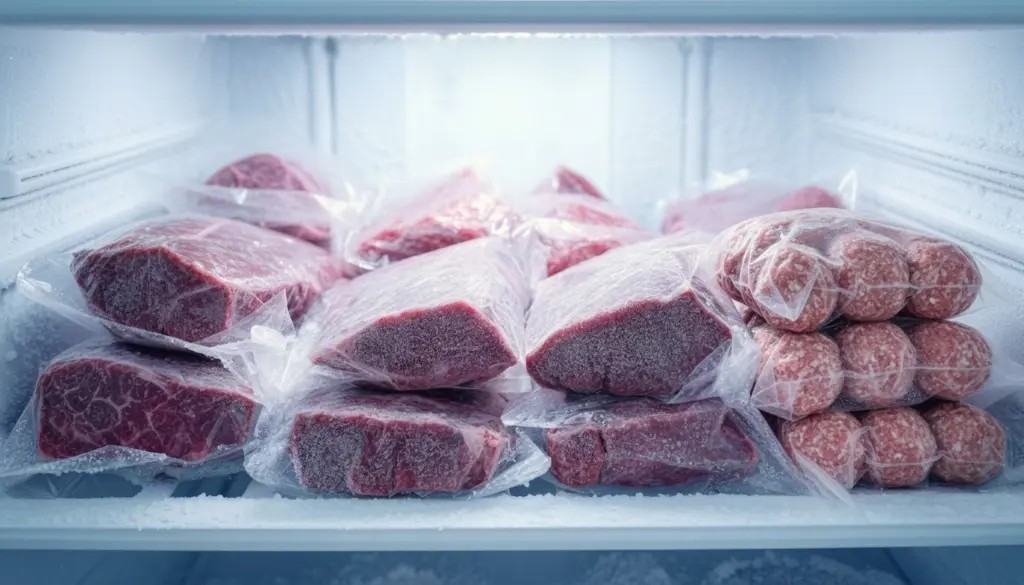
Buying high-quality meat is only the first step toward creating exceptional meals. Proper storage, handling, thawing, and cooking techniques are equally important to protect your family, preserve flavour, and ensure every meal is safe to enjoy.
The Canadian Meat Safety & Storage Guide (2026 Edition) is your complete resource for understanding how to safely store, freeze, thaw, prepare, and cook beef, chicken, pork, lamb, seafood, and ground meats at home.
Whether you are stocking your freezer with premium cuts from ButcherBox.ca, preparing a weekend barbecue, or planning family meals for the week, this guide provides practical information to help you get the best results from every purchase.
Proper meat handling helps prevent foodborne illness while maintaining quality, texture, and flavour.
Meat safety starts the moment you purchase your products and continues through:
- Transportation
- Refrigeration
- Freezer storage
- Thawing
- Preparation
- Cooking
- Leftover storage
Following safe practices helps protect your family while ensuring premium-quality meat tastes its best.
Safe Meat Storage Temperatures
Temperature control is one of the most important parts of meat safety.
Refrigerator Temperature
Your refrigerator should be maintained at:
4°C (40°F) or below
A refrigerator thermometer is an inexpensive tool that helps ensure your fridge is operating safely.
Freezer Temperature
Your freezer should maintain:
-18°C (0°F) or below
Keeping your freezer at the proper temperature helps maintain food quality and extends storage life.
Meat Storage Guide: Refrigerator Timelines
The following storage guidelines apply to properly refrigerated meat.
|
Meat Type |
Refrigerator Storage |
|
Fresh beef cuts |
3–5 days |
|
Fresh pork cuts |
3–5 days |
|
Fresh lamb cuts |
3–5 days |
|
Raw chicken |
1–2 days |
|
Ground meats |
1–2 days |
|
Fresh seafood |
1–2 days |
Always follow package instructions and use your best judgement based on freshness, packaging, and storage conditions.
Complete Freezer Storage Guide
Freezing meat properly helps preserve quality while reducing food waste.
|
Meat Type |
Recommended Freezer Storage |
|
Beef steaks and roasts |
6–12 months |
|
3–4 months |
|
|
Pork chops and roasts |
4–6 months |
|
Pork ribs |
4–6 months |
|
Chicken pieces |
6–9 months |
|
Whole chicken |
Up to 12 months |
|
Lamb cuts |
6–9 months |
|
Ground meats |
3–4 months |
|
Seafood |
3–6 months |
Vacuum-sealed packaging can help protect meat from freezer burn and maintain quality longer.
How to Store Meat Properly
Proper packaging and organization make a significant difference.
Keep Meat Sealed
Premium meat is often vacuum sealed to:
- Reduce exposure to air
- Protect flavour
- Prevent freezer burn
- Maintain freshness
Keep meat in its original sealed packaging whenever possible until ready to use.
Organize Your Freezer
Helpful freezer organization tips:
- Label packages with purchase dates.
- Store older products toward the front.
- Group similar proteins together.
- Keep a freezer inventory.
- Avoid overloading the freezer.
A well-organized freezer makes meal planning easier and reduces waste.
The safest way to thaw meat is slowly and consistently.
There are three recommended methods:
1. Refrigerator Thawing (Recommended)
The refrigerator method is the safest and provides the best results.
Benefits:
- Keeps meat at a safe temperature.
- Maintains texture.
- Reduces moisture loss.
- Allows gradual thawing.
Approximate thawing times:
|
Meat |
Approximate Time |
|
Steak |
12–24 hours |
|
Roast |
1–3 days |
|
Chicken breasts |
12–24 hours |
|
Whole chicken |
1–2 days |
|
Large cuts |
Several days |
Place meat on a plate or tray to prevent juices from contacting other foods.
2. Cold Water Thawing
A faster option when time is limited.
Steps:
- Keep meat sealed in leak-proof packaging.
- Place in cold water.
- Change water every 30 minutes.
- Cook immediately after thawing.
Never use warm water to speed up thawing.
3. Cooking From Frozen
Some meats can be cooked directly from frozen.
Cooking from frozen may require:
- Longer cooking times.
- Careful temperature monitoring.
- A reliable meat thermometer.
Always verify internal temperature before serving.
Never Thaw Meat on the Counter
Leaving meat at room temperature allows the surface temperature to enter the danger zone where bacteria can multiply quickly.
Avoid:
- Countertop thawing
- Warm water thawing
- Leaving frozen meat out overnight
Complete Meat Cooking Temperature Guide
A digital meat thermometer is the most reliable way to determine when meat is safely cooked.
|
Doneness |
Temperature |
|
Rare |
52°C (125°F) |
|
Medium Rare |
54–57°C (130–135°F) |
|
Medium |
60–63°C (140–145°F) |
|
Medium Well |
65–68°C (150–155°F) |
|
Well Done |
71°C (160°F) |
Ground beef:
71°C (160°F)
Whole cuts:
63°C (145°F) + rest time
Examples:
- Pork chops
- Pork tenderloin
- Pork loin roast
Ground pork:
71°C (160°F)
All poultry:
74°C (165°F)
Applies to:
- Chicken breasts
- Chicken thighs
- Wings
- Drumsticks
- Whole chicken
- Ground chicken
Lamb Cooking Temperatures
Whole cuts:
- Medium rare: 54–57°C (130–135°F)
- Medium: 60–63°C (140–145°F)
Ground lamb:
71°C (160°F)
Fish:
63°C (145°F)
Shellfish should be cooked until:
- Meat becomes opaque.
- Texture becomes firm.
- Shells open during cooking (where applicable).
Why You Should Use a Meat Thermometer
Many people rely on appearance, cooking time, or texture to judge doneness. However, colour alone is not always a reliable indicator.
A meat thermometer helps:
- Improve food safety.
- Prevent overcooking.
- Protect tenderness.
- Create consistent results.
For premium cuts, temperature control is especially important because overcooking can reduce flavour and moisture.
Preventing Cross-Contamination
Safe preparation starts before cooking.
Follow these practices:
Keep Raw Meat Separate
Use separate:
- Cutting boards
- Plates
- Utensils
for raw meat and ready-to-eat foods.
Wash Hands Properly
Wash hands:
- Before handling food.
- After touching raw meat.
- Before serving.
Clean Surfaces
Clean:
- Countertops
- Knives
- Cutting boards
- Refrigerator shelves
after preparing raw meat.
Safe Leftover Storage
Leftovers should be refrigerated promptly.
Best practices:
- Refrigerate within two hours of cooking.
- Store in sealed containers.
- Label leftovers with dates.
- Reheat thoroughly before eating.
Most cooked leftovers should be enjoyed within several days when properly refrigerated.
Buying Premium Meat Online in Canada
Proper storage begins with choosing quality products from a trusted supplier.
When buying meat online, look for:
- Reliable cold-chain delivery.
- Quality packaging.
- Clear product information.
- Trusted sourcing.
- Proper handling practices.
At ButcherBox.ca, premium meats are carefully selected, packaged, and delivered to Canadian families. From Canadian AAA beef and 100% grass-fed and grass-finished beef to air-chilled chicken, premium pork, lamb, and seafood, every product is designed to help you prepare exceptional meals at home.
Explore the complete selection of premium meats at:
https://butcherbox.ca/our-meats.html
How long can meat stay frozen?
Properly stored meat can remain safe indefinitely when kept frozen at -18°C (0°F), although quality is best within recommended storage timelines.
Can you refreeze thawed meat?
Meat thawed safely in the refrigerator can generally be refrozen, although texture and quality may change slightly.
Is frozen meat lower quality than fresh meat?
Not necessarily. Properly frozen meat can maintain excellent quality, especially when sealed properly and handled correctly.
What is the safest way to thaw meat?
Refrigerator thawing is the safest method because it keeps meat at a controlled temperature throughout the process.
Do I need to wash raw chicken?
No. Washing raw chicken can spread bacteria around your kitchen. Cooking chicken properly to 74°C (165°F) is the safest approach.
What is the best way to prevent freezer burn?
Use airtight packaging, vacuum sealing when possible, remove excess air, and maintain a consistent freezer temperature.
Your Complete Resource for Canadian Meat Safety
Safe meat handling does not have to be complicated. With the right storage practices, proper thawing methods, and accurate cooking temperatures, you can enjoy restaurant-quality meals safely at home.
The Canadian Meat Safety & Storage Guide (2026 Edition) is part of the Complete Canadian Meat Encyclopedia, your trusted resource for learning about Canadian beef, pork, chicken, lamb, seafood, cooking techniques, and premium meat buying advice.
Continue exploring:
- Canadian Beef Guide
- Canadian Pork Guide
- Canadian Chicken Guide
- Lamb Guide
- Seafood Guide
- Ground Meats Guide
- Complete Cooking Temperature Guide
- Ultimate Canadian Bbq Guide
With premium ingredients from ButcherBox.ca and the right knowledge, every meal can be safer, easier, and more delicious.