
Safe Beef Cooking Guide: Internal Temperatures, Food Safety & Expert Tips for Canadians
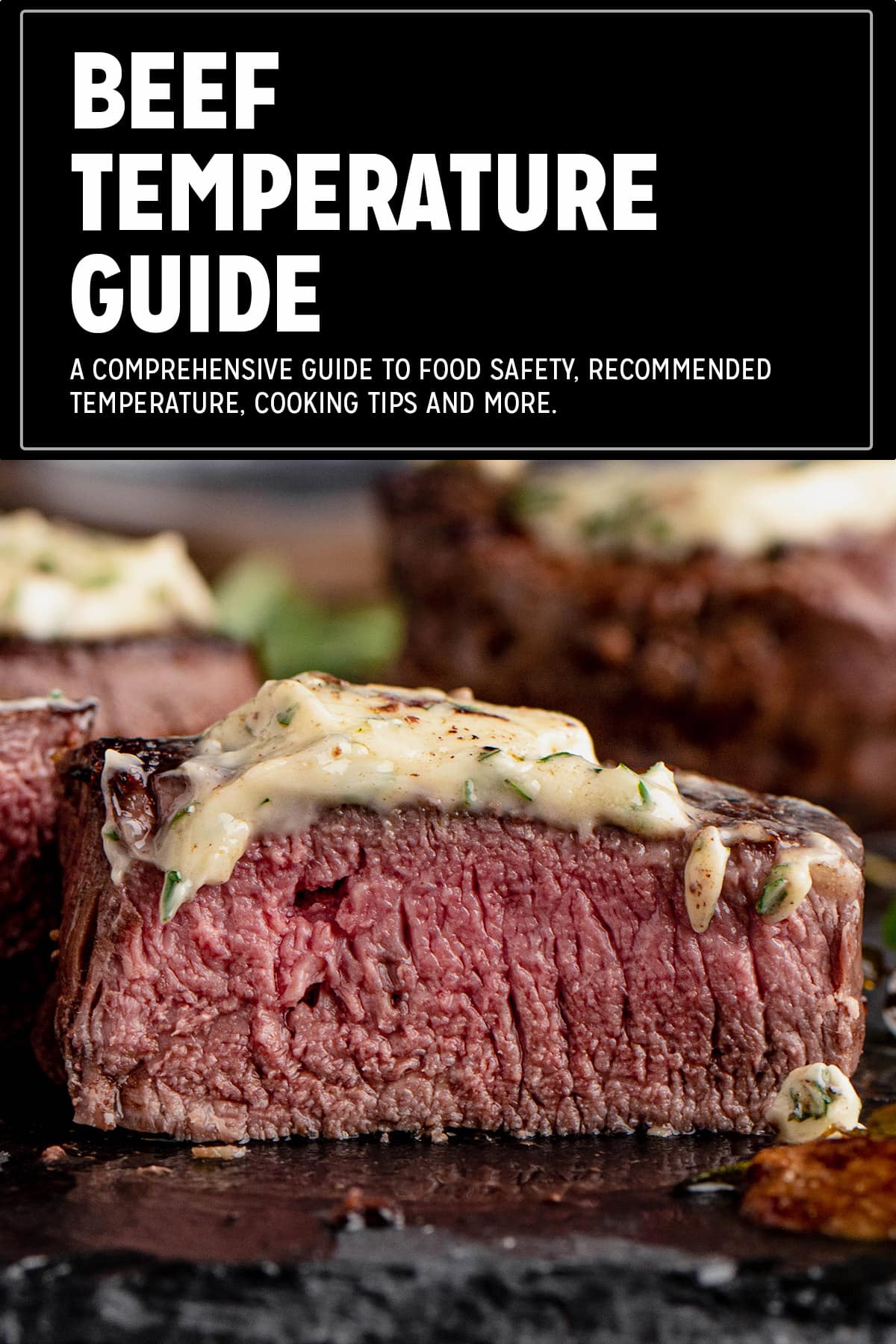
Learn the safest way to cook beef with Health Canada temperature guidelines, storage advice, and cooking tips for steaks, roasts, burgers, and more.
Beef is one of Canada's favourite proteins, whether you're grilling premium steaks, roasting prime rib, or making homemade burgers. While beef is incredibly versatile, understanding safe cooking temperatures and proper food handling is essential for protecting your family and achieving the best flavour.
The good news? Safe beef doesn't mean overcooked beef. With the right techniques and a reliable digital meat thermometer, you can enjoy tender, juicy beef cooked exactly the way you like it while following Canadian food safety recommendations.
Why Safe Beef Cooking Matters
Raw beef can naturally carry bacteria on its surface. Whole cuts such as steaks and roasts differ from ground beef because the grinding process distributes any bacteria throughout the meat.
That's why burgers must always be cooked to a higher internal temperature than steaks.
Knowing this simple difference helps you cook safely without sacrificing quality.
Safe Internal Beef Cooking Temperatures
According to Health Canada, these are the recommended minimum internal temperatures for beef:
|
Beef Product |
Internal Temperature |
|
Ground beef (burgers, meatballs, meatloaf) |
71°C (160°F) |
|
Steak – Medium Rare |
63°C (145°F) |
|
Steak – Medium |
71°C (160°F) |
|
Steak – Well Done |
77°C (170°F) |
|
Beef roast – Medium Rare |
63°C (145°F) |
|
Beef roast – Medium |
71°C (160°F) |
|
Beef roast – Well Done |
77°C (170°F) |
|
Mechanically tenderized beef |
63°C (145°F) (turn at least twice while cooking) |
Always insert your thermometer into the thickest part of the meat without touching bone or heavy fat.
Why Ground Beef Needs Higher Temperatures
Many Canadians wonder why a medium-rare steak is generally considered acceptable while a medium-rare hamburger is not.
The answer is simple.
With steaks, bacteria are usually found on the outside surface and are destroyed during searing.
Ground beef is different because grinding mixes surface bacteria throughout the meat. The entire burger must reach 71°C (160°F) to destroy harmful bacteria such as E. coli.
Colour Isn't Always a Reliable Indicator
Many home cooks assume beef is safe because:
- It looks brown
- The juices run clear
- It feels firm
Unfortunately, appearance alone doesn't tell you whether beef has reached a safe internal temperature.
Ground beef may still appear pink after reaching 71°C (160°F), while some burgers turn brown before they're fully cooked. A digital instant-read thermometer is the only reliable way to know.
Preparing Beef Safely
Food safety starts before cooking.
Wash Your Hands
Always wash your hands before and after handling raw beef.
Prevent Cross-Contamination
Use separate cutting boards and utensils for:
- Raw meat
- Vegetables
- Ready-to-eat foods
Clean countertops, knives, and food thermometers thoroughly after use.
Fresh beef should remain refrigerated at 4°C (40°F) or below.
For best quality:
- Refrigerate immediately after purchase.
- Freeze if you won't use it within a few days.
- Store raw beef on the bottom shelf to prevent juices from dripping onto other foods.
Never leave raw beef at room temperature for more than two hours.
Safe Thawing Methods
There are three safe ways to thaw beef:
- In the refrigerator (recommended)
- In cold water, changing the water every 30 minutes
- In the microwave if cooking immediately afterward
Never thaw beef on your kitchen counter, where bacteria can multiply quickly.
Best Ways to Cook Beef
Grilling
Perfect for:
- Ribeye steaks
- Striploin
- T-Bone
- Burgers
Allow steaks to rest after grilling for maximum tenderness.
Pan Searing
A cast iron skillet creates an exceptional crust while keeping the centre juicy.
Finish thicker steaks in the oven if needed.
Oven Roasting
Ideal for:
- Prime rib
- Sirloin roast
- Top round
- Beef tenderloin
Use a thermometer rather than cooking by time alone.
Slow Cooking
Chuck roasts, brisket, blade roasts, and short ribs become incredibly tender when cooked slowly over several hours.
One of the most overlooked steps is resting.
After cooking:
- Steaks: Rest 5–10 minutes.
- Roasts: Rest 15–20 minutes.
Resting allows juices to redistribute, producing a more flavourful and tender result.
Common Beef Cooking Mistakes
Avoid these common errors:
- Guessing doneness by colour
- Not using a thermometer
- Serving burgers below the recommended temperature
- Cross-contaminating cooked foods
- Thawing beef on the counter
- Cutting into steaks immediately after cooking
Frequently Asked Questions
Is rare steak safe?
Whole muscle steaks can be safely enjoyed at lower internal temperatures than ground beef because bacteria are typically limited to the surface, which is destroyed during searing. Health Canada lists 63°C (145°F) for medium-rare whole cuts.
Can burgers be pink?
Yes. Colour alone isn't a reliable indicator. A burger is considered safely cooked when it reaches 71°C (160°F) internally.
Should I wash raw beef?
No. Washing raw beef can spread bacteria around your kitchen through splashing water. Cooking to the proper temperature is what makes beef safe.
What's the best kitchen tool for cooking beef?
A digital instant-read thermometer is the easiest way to cook beef safely while preventing overcooking.
Shop Premium Canadian Beef at ButcherBox.ca
Exceptional meals begin with exceptional beef.
At ButcherBox.ca, you'll find a carefully selected range of premium Canadian beef, including steaks, roasts, ground beef, brisket, and specialty cuts delivered directly to your door across Ontario.
Whether you're preparing steak night, weekend burgers, or a holiday roast, combining premium-quality beef with safe cooking practices helps you achieve outstanding results every time.
Final Thoughts
Cooking beef safely is simple when you remember three key principles:
- Use a digital meat thermometer.
- Cook ground beef to 71°C (160°F).
- Handle and store raw beef safely to prevent cross-contamination.
Following these best practices allows you to enjoy juicy steaks, flavourful roasts, and perfectly cooked burgers with confidence every time.