Steak Doneness Guide: The Perfect Temperature for Every Steak
Whether you're cooking a thick-cut ribeye on the grill, searing a striploin in cast iron, or preparing a special steak dinner at home, knowing the right steak doneness temperature can mean the difference between a good steak and a great one.
At ButcherBox.ca, we believe premium Canadian beef deserves to be cooked perfectly. This complete steak doneness guide will help you achieve your ideal level of doneness every time.
Why Steak Doneness Matters
Every steak cut has unique characteristics, but internal temperature is what determines the final texture, flavour, and juiciness.
A perfectly cooked steak should:
- Retain its natural juices
- Highlight the flavour of the beef
- Match your personal preference
- Showcase the quality of the cut
Using a reliable meat thermometer is the easiest way to consistently achieve the perfect steak.
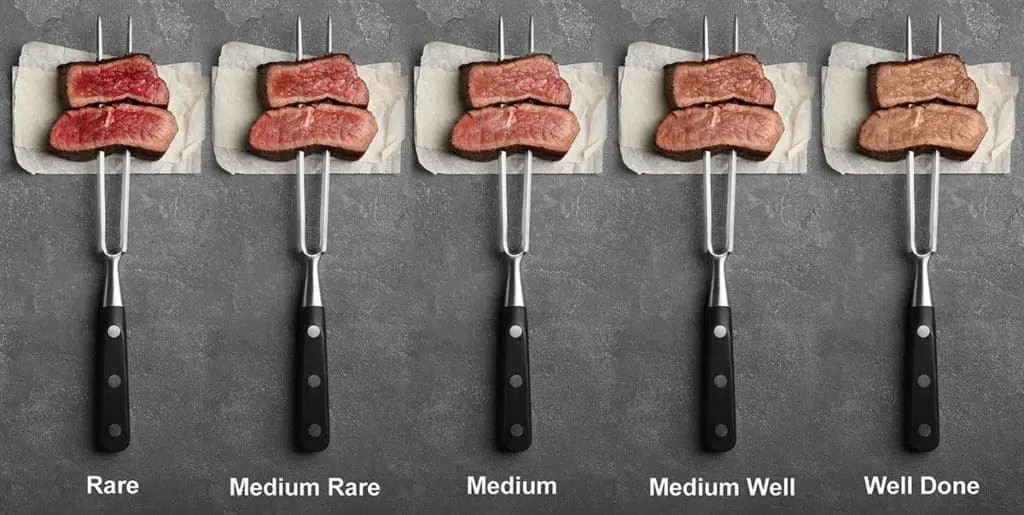
Steak Doneness Temperature Chart
|
Doneness |
Internal Temperature |
Centre Colour |
|
Rare |
120–125°F (49–52°C) |
Cool red centre |
|
Medium Rare |
130–135°F (54–57°C) |
Warm red centre |
|
Medium |
140–145°F (60–63°C) |
Warm pink centre |
|
Medium Well |
150–155°F (65–68°C) |
Slight pink centre |
|
Well Done |
160°F+ (71°C+) |
Little to no pink |
Rare Steak (120–125°F)
Rare steak features a cool, red centre and an exceptionally tender texture.
Best for:
- Filet mignon
- High-quality ribeye
- Steak enthusiasts who appreciate the natural flavour of premium beef
Because the steak spends less time cooking, the beef retains maximum moisture and tenderness.
Medium Rare Steak (130–135°F)
Medium rare is widely considered the ideal steak doneness.
Why chefs love it:
- Excellent tenderness
- Rich beef flavour
- Beautiful red centre
- Optimal moisture retention
For thick-cut ribeye steaks, medium rare often delivers the perfect balance between flavour and texture.
Medium Steak (140–145°F)
Medium steak has a warm pink centre with slightly firmer texture.
This is often the preferred doneness for:
- Striploin steaks
- Family gatherings with varied preferences
- Diners who enjoy less red in the centre
A properly cooked medium steak remains juicy while providing a firmer bite.
Medium Well Steak (150–155°F)
Medium well steaks have only a small amount of pink remaining in the centre.
At this stage:
- More moisture is lost during cooking
- The texture becomes firmer
- The crust remains an important source of flavour
Careful cooking is essential to prevent the steak from becoming dry.
Well Done Steak (160°F+)
A well-done steak is cooked fully through with little to no pink.
To maximize flavour and tenderness:
- Start with a well-marbled cut
- Avoid excessive cooking time
- Allow adequate resting time
Premium ribeye steaks tend to perform better at higher levels of doneness because of their natural marbling.
The Importance of Carryover Cooking
Many home cooks overlook carryover cooking.
After removing a steak from the grill, oven, or skillet, the internal temperature continues to rise by approximately 5°F while resting.
For example:
- Remove a medium rare steak around 125–130°F
- Remove a medium steak around 135–140°F
The steak will continue cooking as it rests.
Why Resting Your Steak Matters
Resting allows juices to redistribute throughout the meat.
General guidelines:
- Thin steaks: 5 minutes
- Thick-cut steaks: 5–10 minutes
- Large roasts: 10–20 minutes
Cutting too early allows valuable juices to escape onto the cutting board instead of staying inside the steak.
Best Steak Cuts for Every Doneness
Rare to Medium Rare
- Ribeye
- Filet mignon
- Thick-cut grass-fed ribeye
Medium
- Striploin
- New York strip
- Sirloin
Medium Well to Well Done
- Ribeye
- Well-marbled striploin
Marbling helps maintain juiciness during longer cooking times.
What is the best temperature for medium rare steak?
Medium rare steak is typically served at 130–135°F (54–57°C).
Should I use a meat thermometer?
Yes. A digital thermometer is the most reliable way to achieve consistent results.
What steak doneness do chefs recommend?
Most chefs recommend medium rare because it balances tenderness, flavour, and juiciness.
Does grass-fed beef cook differently?
Grass-fed beef is often leaner than conventional beef and benefits from careful temperature monitoring to avoid overcooking.
Final Thoughts
The best steak doneness is ultimately a matter of personal preference. Whether you enjoy a rare filet mignon or a medium striploin, using a meat thermometer and allowing your steak to rest will help you achieve restaurant-quality results at home.
At ButcherBox.ca, our premium Canadian beef is carefully selected to deliver exceptional flavour and tenderness, no matter how you like your steak cooked.