How to Reverse Sear a Steak (Step-by-Step Guide + Temperature Chart)
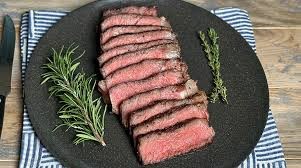
When it comes to cooking the perfect steak, few techniques deliver results as consistently as the reverse sear method. Whether you're preparing a thick-cut ribeye, striploin, or tenderloin, reverse searing creates a beautifully caramelized crust while keeping the inside juicy and evenly cooked from edge to edge.
The key to success starts with choosing a high-quality cut of beef. At Butcher Box.ca you'll find a wide selection of premium steaks and beef cuts perfect for reverse searing. Explore our complete collection on the Our Meats page and choose a steak that will elevate your next meal.
If you've ever struggled with overcooked edges, uneven doneness, or a steak that doesn't live up to your expectations, this guide will show you exactly how to reverse sear a steak like a professional chef.
What Is Reverse Searing?
Reverse searing is a cooking technique that reverses the traditional steak-cooking process.
Instead of searing the steak first and then finishing it in the oven, reverse searing involves:
- Slowly cooking the steak at a low temperature.
- Finishing it with a quick, high-heat sear.
This method allows the steak to cook evenly throughout before developing a rich, flavorful crust during the final sear.
The result? A steak with a perfectly pink center, minimal gray banding, and a restaurant-quality crust.
Looking for the perfect steak to reverse sear? Explore ButcherBox.ca's premium collection of ribeye, striploin, tenderloin, and other premium beef cuts.
https://butcherbox.ca/our-meats.html
Why Reverse Sear a Steak?
Reverse searing has become one of the most popular steak-cooking methods among chefs and home cooks alike.
More Even Doneness
Traditional steak cooking methods often leave an overcooked outer layer surrounding the desired doneness in the center. Reverse searing gradually raises the steak's internal temperature, resulting in a more uniform cook throughout.
Better Crust Formation
The low-temperature cooking process naturally dries the exterior of the steak. This creates the ideal surface for developing a deep, flavorful crust during the final sear.
More Control
Because the steak cooks slowly, there's less risk of accidentally overshooting your target temperature. This is especially important when preparing premium cuts.
Perfect for Thick-Cut Steaks
Reverse searing works best on steaks that are at least 1½ inches thick, including:
- Ribeye
- Striploin
- Tenderloin
- Porterhouse
- T-Bone
- Top Sirloin
Many of these premium cuts are available through Butcher Box Canada's Our Meats collection, making it easy to select the ideal steak for this cooking method.
Choosing the Best Steak for Reverse Searing
Not all steaks are created equal.
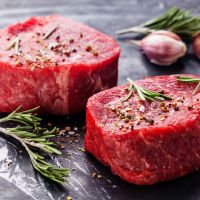
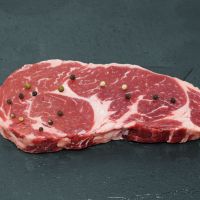
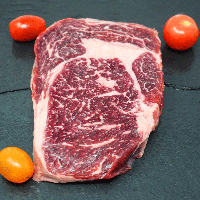
The reverse sear method shines when used on well-marbled, thick-cut steaks. Marbling—the thin streaks of intramuscular fat throughout the meat—adds flavor and helps keep the steak juicy during cooking.
Some of the best options include:
Known for its exceptional marbling and rich flavor, ribeye is often considered the ultimate reverse-sear steak.
A balance of tenderness and beefy flavor makes striploin a favorite among steak enthusiasts.
Lean, buttery, and incredibly tender, tenderloin benefits from the precise temperature control of reverse searing.
An excellent value option that delivers outstanding flavor when cooked properly.
Looking for premium Canadian beef? Browse the ButcherBox.ca Our Meats collection to find high-quality steaks selected for exceptional flavor and tenderness.
How to Reverse Sear a Steak
What You'll Need
- 1 thick-cut steak (1½–2 inches thick)
- Kosher salt
- Freshly cracked black pepper
- High-smoke-point oil (avocado, canola, or grapeseed)
- Optional: butter, garlic, rosemary, or thyme
- Wire rack and baking sheet
- Instant-read thermometer
- Cast-iron skillet
Step 1: Season the Steak
Pat the steak dry using paper towels.
Generously season all sides with kosher salt and freshly cracked black pepper.
For even better results, season the steak several hours before cooking and leave it uncovered in the refrigerator. This dry-brining process enhances flavor and improves browning.
Step 2: Cook Low and Slow
Preheat your oven to 225°F (107°C).
Place the steak on a wire rack set over a baking sheet. This allows air to circulate around the meat and promotes even cooking.
Cook until the steak reaches approximately 10–15°F below your target final temperature.
Internal Temperature Guide
|
Remove from Oven |
Final Temperature |
|
|
Rare |
110°F |
120–125°F |
|
Medium Rare |
115–120°F |
130–135°F |
|
Medium |
125–130°F |
140–145°F |
|
Medium Well |
135–140°F |
150–155°F |
For most steak lovers, medium rare offers the ideal balance of tenderness, juiciness, and flavor.
Step 3: Heat the Pan
Place a cast-iron skillet over high heat.
Add a small amount of high-smoke-point oil and allow the pan to become extremely hot.
The hotter the pan, the better the crust.
Step 4: Sear the Steak
Carefully place the steak into the skillet.
Sear for 45–90 seconds per side until a deep golden-brown crust forms.
If desired, add butter, crushed garlic, and fresh herbs during the final moments of cooking and baste the steak for additional flavor.
Don't forget to briefly sear the edges, especially on steaks with a thick fat cap.
Step 5: Rest Before Serving
Allow the steak to rest for 5–10 minutes before slicing.
Resting helps the juices redistribute throughout the meat, ensuring every bite remains tender and flavorful.
Reverse Searing on a Grill
You can also reverse sear using a gas, charcoal, or pellet grill.
Set up two cooking zones:
- Indirect low heat
- Direct high heat
Cook the steak over indirect heat until it reaches your target temperature, then transfer it to the hottest section of the grill for the final sear.
This method adds a subtle smoky flavor that pairs beautifully with premium beef cuts.
Looking for the perfect steak to reverse sear? Explore ButcherBox.ca's premium collection of ribeye, striploin, tenderloin, and other premium beef cuts.
Common Reverse Sear Mistakes to Avoid
Choosing a Steak That's Too Thin
Reverse searing works best on steaks that are at least 1½ inches thick. Thin steaks cook too quickly to fully benefit from the process.
Skipping the Thermometer
An instant-read thermometer removes the guesswork and helps ensure perfect doneness every time.
Using a Pan That's Not Hot Enough
A hot pan creates a crust. A warm pan creates steam.
Allow your skillet to heat thoroughly before adding the steak.
Overcooking During the Final Sear
The purpose of the sear is to build crust, not continue cooking the steak. Keep the sear short and intense.
Frequently Asked Questions
Is reverse searing better than traditional searing?
For thick steaks, reverse searing generally produces more even doneness, greater control, and a superior crust compared to traditional methods.
What is the best steak for reverse searing?
Ribeye, striploin, tenderloin, porterhouse, and top sirloin are all excellent choices. The most important factor is thickness—aim for at least 1½ inches.
Can I reverse sear a frozen steak?
For best results, thaw your steak completely before cooking. This ensures even heat distribution and more predictable cooking times.
Do I need a cast-iron skillet?
While cast iron is ideal because it retains heat exceptionally well, any heavy-bottomed skillet capable of reaching high temperatures can work.
The Bottom Line
If you're looking for the best way to cook a thick steak at home, reverse searing is one of the most reliable methods available. The combination of low-temperature cooking and high-heat finishing creates a steak that is evenly cooked, incredibly juicy, and packed with flavour.
The process becomes even more rewarding when you start with premium beef. Whether you're planning a special dinner or simply want to elevate your weeknight cooking, choosing a high-quality steak makes all the difference.
Browse the Butcher Box.ca Our Meats collection to find premium ribeyes, striploins, tenderloins, and other exceptional cuts that are perfect for reverse searing.
With the right steak and the right technique, steakhouse-quality results are well within reach.