Why Every Home Cook Needs a Meat Thermometer: The Secret to Safer, Juicier Meat Every Time
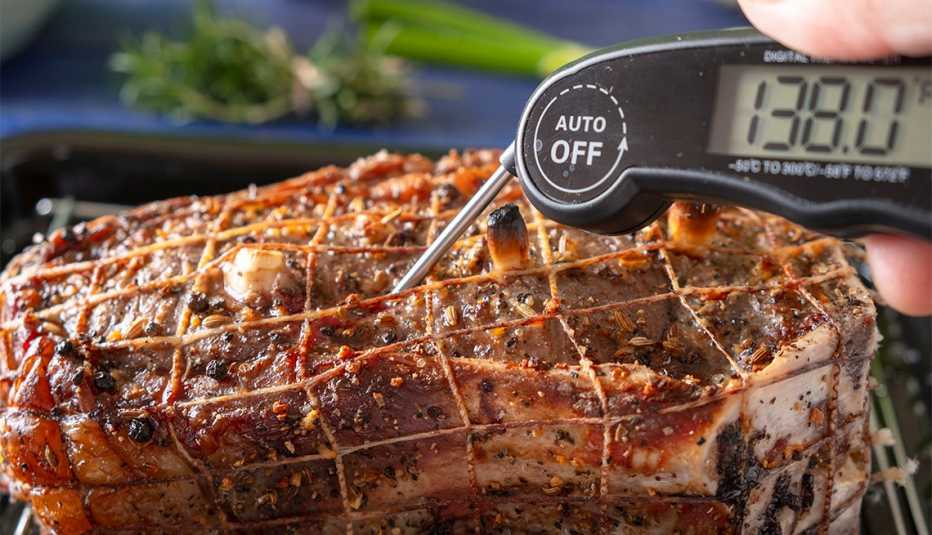
Why Using a Meat Thermometer Matters
Whether you're grilling premium steaks, roasting chicken, smoking brisket, or preparing pork chops, one simple kitchen tool can dramatically improve your results: a digital meat thermometer.
Many home cooks still rely on cooking time, colour, or cutting into meat to judge doneness. While these methods may seem convenient, they often lead to overcooked, dry meat—or worse, undercooked food that may not be safe to eat.
A quality meat thermometer removes the guesswork, helping you cook every cut to the perfect internal temperature for both safety and flavour.
A Meat Thermometer Is About More Than Food Safety
Food safety is the primary reason experts recommend using a digital thermometer.
Health Canada advises using a digital food thermometer because colour alone is not a reliable indicator that meat has reached a safe internal temperature. Instead, insert the probe into the thickest part of the meat, avoiding bone, and verify the recommended temperature before serving.
However, food safety is only half the story.
Using a thermometer also helps you:
- Cook steaks exactly how you like them
- Keep chicken juicy instead of dry
- Prevent pork from becoming tough
- Achieve consistent BBQ results
- Avoid cutting into meat repeatedly
- Build confidence in the kitchen
Professional chefs rely on thermometers because they provide precise, repeatable results—not because they can't judge meat by eye.
Why Colour Isn't a Reliable Indicator
One of the biggest cooking myths is that meat is safe once it "looks done."
In reality:
- Chicken can appear fully cooked before reaching a safe temperature.
- Ground beef can turn brown while still undercooked.
- Pork may remain slightly pink even after reaching a safe temperature.
- Smoke rings on barbecue can make meat look undercooked even when it is perfectly safe.
The only reliable method is measuring the internal temperature with a digital thermometer.
Safe Internal Cooking Temperatures
Always verify the temperature in the thickest part of the meat.
|
Meat |
Recommended Internal Temperature |
|
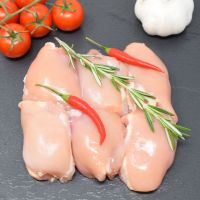
Chicken pieces |
74°C (165°F) |
|
Whole chicken |
82–85°C (180–185°F) |
|
Turkey |
74°C (165°F) minimum |
|
71°C (160°F) |
|
|
Ground pork |
71°C (160°F) |
|
Pork chops |
71°C (160°F) |
|
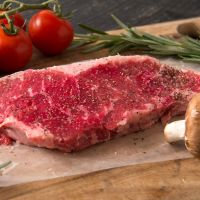
Beef steaks |
63°C (145°F) for medium-rare (plus resting time) |
|
63°C (145°F) minimum depending on desired doneness |
Always refer to current Canadian food safety recommendations for the specific cut you are preparing.
Better Meat Deserves Better Cooking
At ButcherBox.ca, we carefully source premium Canadian meats because quality deserves proper preparation.
Whether you're cooking:
- Ribeye steaks
- Striploin steaks
- Prime rib
- Chicken thighs
- Pork ribs
- Beef brisket
- Lamb chops
a meat thermometer helps protect your investment by preventing overcooking.
Premium meat isn't inexpensive—using a thermometer ensures every dollar delivers the best possible meal.
How to Use a Meat Thermometer Correctly
Using a thermometer only takes a few seconds.
Step 1
Insert the probe into the thickest part of the meat.
Step 2
Avoid touching:
- Bone
- Large pockets of fat
- The cooking pan
These can give inaccurate readings.
Step 3
Wait until the temperature stabilizes.
Step 4
If cooking multiple pieces, check each one individually.
Step 5
Allow meat to rest after cooking.
Resting helps redistribute juices and allows carry-over cooking to finish the process.
Instant-Read vs Leave-In Thermometers
Instant-Read Thermometers
Best for:
- Steaks
- Pork chops
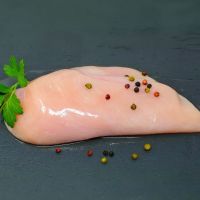
- Chicken breasts
- Burgers
Advantages:
- Fast readings
- Highly accurate
- Compact
- Affordable
Leave-In Probe Thermometers
Best for:
- Brisket
- Prime rib
- Whole turkey
- Smoked pork shoulder
Advantages:
- Continuous monitoring
- No need to open the oven or smoker repeatedly
- Perfect for low-and-slow cooking
Many serious BBQ enthusiasts keep both types in their kitchen.
Common Mistakes to Avoid
Guessing by Time
Cooking times vary depending on:
- Meat thickness
- Starting temperature
- Grill temperature
- Oven accuracy
- Weather conditions
Time is only a guideline.
Every cut releases valuable juices.
Instead, check with a thermometer.
Measuring Too Early
Take readings near the end of cooking for the most accurate result.
Forgetting to Clean the Probe
Wash your thermometer with warm, soapy water before and after every use to prevent cross-contamination.
Why BBQ Enthusiasts Never Cook Without One
Whether you're using a gas grill, charcoal BBQ, pellet smoker, or offset smoker, temperature is everything.
A thermometer helps you:
- Hit perfect steak doneness every time
- Smoke brisket consistently
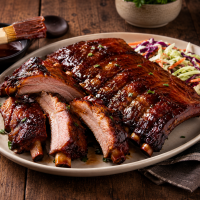
- Cook ribs without drying them out
- Avoid undercooked chicken
- Produce competition-quality BBQ at home
The best pitmasters don't guess—they measure.
Frequently Asked Questions
Is a meat thermometer really necessary?
Yes. It is the most accurate way to confirm that meat has reached a safe internal temperature while avoiding overcooking.
Can I tell if chicken is done by colour?
No. Chicken can appear cooked before it reaches a safe internal temperature. Always use a thermometer.
Where should I insert the thermometer?
Into the thickest part of the meat, avoiding bones and large fat deposits.
Should I leave the thermometer in while cooking?
Instant-read thermometers are inserted only when checking temperature. Leave-in probe thermometers remain in the meat during cooking.
Are digital thermometers better?
Yes. Digital thermometers provide faster, more accurate readings than traditional dial models.
Cook With Confidence
Great meals begin with premium ingredients—but they're finished with proper technique.
A digital meat thermometer is one of the most affordable tools you can add to your kitchen, yet it has one of the biggest impacts on food safety, consistency, and flavour.
Whether you're preparing a weeknight dinner or hosting a backyard barbecue, measuring internal temperature takes the guesswork out of cooking.
At ButcherBox.ca, we're committed to helping Canadians enjoy premium-quality meat with confidence. Pair exceptional ingredients with the right cooking techniques, and every meal becomes one worth sharing.