How to Cook a Ribeye Steak: The Ultimate Guide to Steakhouse-Quality Results at Home
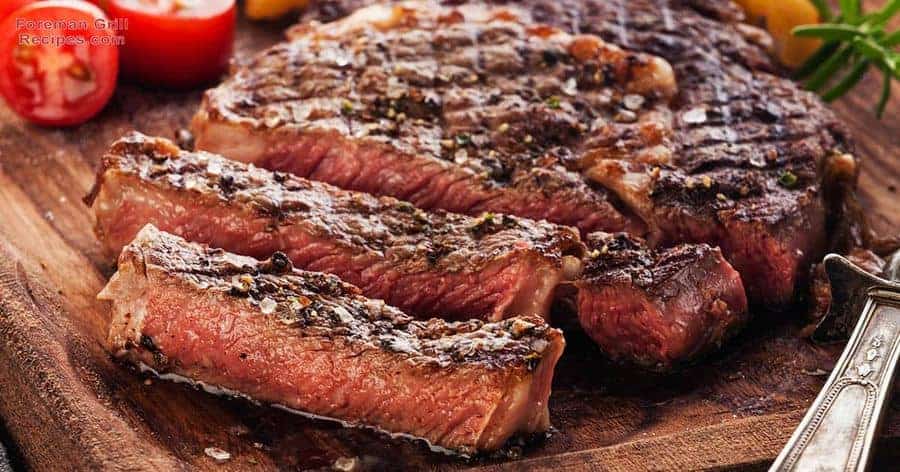
Few cuts of beef are as beloved as the ribeye steak. Known for its rich marbling, exceptional tenderness, and bold beef flavour, ribeye is often considered the king of steaks. Whether you're cooking indoors or firing up the grill, learning how to cook a ribeye steak properly can transform an ordinary dinner into a steakhouse-quality experience.
At ButcherBox.ca, we offer premium AAA and 100% grass-fed, grass-finished ribeye steaks delivered directly to your door across Ontario. This guide will walk you through everything you need to know to cook the perfect ribeye every time.
What Is a Ribeye Steak?
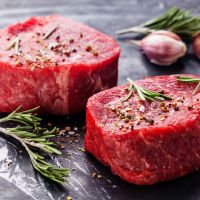
A ribeye steak comes from the rib section of the cow, located between the chuck and loin. This area experiences less movement than other muscles, resulting in a tender cut with abundant marbling.
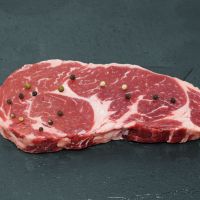
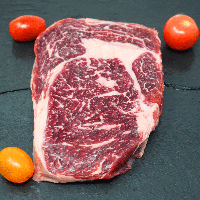
The marbling—small streaks of intramuscular fat—is what gives ribeye its signature flavour and juicy texture. As the steak cooks, the fat renders and bastes the meat from within, creating an incredibly rich eating experience.
Why Ribeye Is One of the Best Steaks
Ribeye is a favourite among steak lovers because it offers:
- Exceptional marbling
- Rich beef flavour
- Tender texture
- Excellent grilling performance
- Consistent results for home cooks
Whether you prefer AAA beef or 100% grass-fed and grass-finished beef, ribeye delivers a premium steak experience.
Choosing the Right Ribeye Steak
For the best results, choose a steak that is:
- At least 1¼ to 2 inches thick
- Bright red in colour
- Well-marbled throughout
- Fresh or properly thawed
Thicker steaks are easier to cook evenly and are ideal for reverse searing.
Ingredients
- 1 thick-cut ribeye steak
- 1 tablespoon avocado oil or high-heat cooking oil
- Kosher salt
- Freshly cracked black pepper
- Optional: garlic cloves, fresh rosemary, thyme, and butter
Step 1: Bring the Steak to Room Temperature
Remove the steak from the refrigerator 30 to 45 minutes before cooking.
Pat it dry with paper towels and season generously with salt and pepper on all sides.
Drying the surface helps create a better crust during cooking.
Step 2: Preheat Your Pan or Grill
Whether you're cooking on a cast-iron skillet or grill, high heat is essential.
For a cast-iron skillet:
- Preheat over medium-high heat for 5 minutes.
For a grill:
- Preheat to 450–500°F.
A properly heated cooking surface creates the caramelized crust that makes steak so delicious.
Step 3: Sear the Ribeye
Add oil to the hot pan or place the steak directly on the grill.
Cook for:
Medium-Rare Ribeye
- 4–5 minutes per side for a 1-inch steak
- 5–6 minutes per side for a 1½-inch steak
Avoid constantly flipping the steak. Allow a crust to form before turning.
Step 4: Add Butter and Aromatics (Optional)
For steakhouse flavour:
- Add 2 tablespoons butter
- 2 garlic cloves
- Fresh rosemary or thyme
Tilt the pan slightly and spoon the melted butter over the steak for 1–2 minutes.
This technique adds flavour and helps achieve a beautiful finish.
Step 5: Check Internal Temperature
The most accurate way to cook a ribeye steak is with an instant-read thermometer.
|
Doneness |
Internal Temperature |
|
Rare |
120–125°F |
|
Medium-Rare |
130–135°F |
|
Medium |
140–145°F |
|
Medium-Well |
150–155°F |
|
Well Done |
160°F+ |
Remove the steak about 5°F before your target temperature because it will continue cooking while resting.
Step 6: Rest Before Serving
Allow the steak to rest for 5–10 minutes before slicing.
Resting lets the juices redistribute throughout the meat, resulting in a more flavourful and tender steak.
Skipping this step can cause valuable juices to run onto the cutting board instead of staying inside the steak.
How to Reverse Sear a Ribeye Steak
For thick-cut ribeye steaks, reverse searing is one of the best cooking methods.
Instructions
- Preheat oven to 250°F.
- Place steak on a wire rack.
- Cook until internal temperature reaches 115–120°F.
- Remove from oven.
- Sear in a hot cast-iron skillet for 60–90 seconds per side.
- Rest and serve.
Reverse searing creates an even pink interior with a crisp, flavourful crust.
Common Mistakes to Avoid
Overcooking the Steak
Use a meat thermometer rather than relying solely on cooking times.
Not Preheating the Pan
A cold pan prevents proper browning.
Resting is essential for a juicy steak.
Using Thin Steaks
Thicker steaks are more forgiving and produce better results.
What to Serve with Ribeye Steak
Pair your ribeye with:
- Roasted potatoes
- Grilled asparagus
- Sauteed Spinach
- Garlic mushrooms
- Caesar salad
- Chimichurri sauce
- Compound herb butter
These classic steakhouse sides complement the richness of ribeye perfectly.
The quality of your steak directly affects the final result.
At ButcherBox.ca, we carefully source premium beef, including both AAA beef and 100% grass-fed, grass-finished beef. Our steaks are expertly cut, vacuum sealed, and delivered frozen for maximum freshness and convenience.
Whether you're planning a weekend barbecue, a special occasion dinner, or simply craving a great steak, starting with high-quality beef makes all the difference.
Learning how to cook a ribeye steak is one of the most rewarding skills for any home cook. With the right steak, proper seasoning, high heat, and careful attention to temperature, you can create restaurant-quality results in your own kitchen.
Ready to experience premium Canadian beef? Explore ButcherBox.ca's selection of AAA and 100% grass-fed, grass-finished steaks and enjoy exceptional quality delivered directly to your door.