Struggling with 'Keto Flu'? You’re not Alone, up to 60% Experience Symptoms – Here’s How to Overcome It

Starting a ketogenic (keto) diet can be an exciting step toward your health goals. Many Canadians choose keto to reduce carbohydrate intake, support weight management, improve blood sugar control, or increase satiety through higher-protein and healthy-fat meals.
However, the first few days or weeks can be challenging. Many people experience what's commonly known as keto flu—a temporary collection of symptoms that occurs while the body adapts from using carbohydrates for energy to burning fat.
The good news is that keto flu is usually short-lived, and there are simple ways to minimize its effects.
What Is Keto Flu?
Keto flu is not an actual illness. It describes a group of temporary symptoms that some people experience when dramatically reducing carbohydrate intake.
As your body shifts into ketosis, it begins using fat as its primary energy source instead of glucose. During this transition, fluid balance, electrolyte levels, and energy metabolism all change, leading to symptoms that may last anywhere from a few days to about two weeks.
Common Keto Flu Symptoms
You may experience:
- Fatigue
- Headaches
- Brain fog
- Muscle cramps
- Irritability
- Sugar or carbohydrate cravings
- Dizziness
- Low energy during exercise
- Difficulty concentrating
Not everyone experiences keto flu, and symptoms vary from person to person.
Why Does Keto Flu Happen?
Several factors contribute to keto flu:
Reduced Carbohydrate Intake
When carbohydrates decrease, your body's stored glycogen becomes depleted. Since glycogen stores water, losing glycogen also means losing fluids.
Electrolyte Changes
Lower insulin levels cause the kidneys to excrete more sodium and water. Without replacing sodium, potassium, and magnesium, you may develop headaches, fatigue, or muscle cramps.
Your Body Is Learning a New Fuel Source
It takes time for your metabolism to efficiently burn fat and produce ketones. During this transition, energy levels may temporarily decrease.
How to Reduce Keto Flu Symptoms
Stay Hydrated
Drink water consistently throughout the day.
Many people underestimate how much fluid they lose during the first week of keto.
Replace Electrolytes
Focus on foods rich in:
- Sodium
- Potassium
- Magnesium
Bone broth can also be a simple way to increase fluid and electrolyte intake.
Eat Enough Protein
Protein helps maintain muscle mass while keeping you satisfied.
Excellent keto-friendly protein choices include:
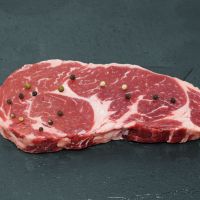
- AAA Canadian beef
- Grass-fed beef
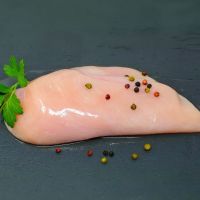
- Air-chilled chicken
- Pork
- Wild-caught seafood
- Eggs
Premium proteins provide essential nutrients without unnecessary carbohydrates.
Don't Rush the Process
Instead of removing nearly all carbohydrates overnight, some people find it easier to reduce them gradually over several days.
Get Enough Sleep
Quality sleep supports recovery while your body adapts to ketosis.
Best Keto Foods
Building meals around whole foods makes keto much easier.
Protein
- Beef
- Chicken
- Pork
- Turkey
- Salmon
- Shrimp
- Eggs
Healthy Fats
- Avocados
- Olive oil
- Butter
- Cheese
- Nuts
- Seeds
Low-Carb Vegetables
- Spinach
- Broccoli
- Cauliflower
- Zucchini
- Asparagus
- Brussels sprouts
- Mushrooms
Foods to Limit
Most keto diets restrict foods high in carbohydrates, including:
- Bread
- Pasta
- Rice
- Potatoes
- Sugary drinks
- Candy
- Most baked goods
Sample Keto Meal Ideas
Breakfast
Scrambled eggs with cheddar cheese and sautéed spinach.
Lunch
Grilled chicken breast served over mixed greens with avocado and olive oil dressing.
Dinner
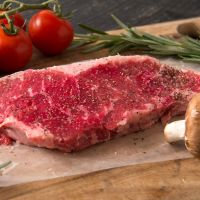
Pan-seared AAA steak with roasted asparagus and garlic butter.
Snack
Cheese, almonds, or hard-boiled eggs.
Using individually vacuum-sealed premium meats makes meal preparation faster and helps reduce food waste.
How ButcherBox.ca Supports a Keto Lifestyle
A successful keto diet begins with high-quality ingredients.
At ButcherBox.ca, you'll find premium Canadian meats that fit naturally into a low-carbohydrate eating plan, including:
- AAA Canadian beef
- 100% grass-fed beef
- Air-chilled chicken
- Pork
- Wild-caught seafood
Our products arrive vacuum sealed for freshness, making portion control, freezer storage, and weekly meal planning simple.
Whether you're preparing grilled steaks, slow-cooked roasts, chicken dinners, or seafood recipes, having quality protein ready to cook helps you stay consistent with your nutrition goals.
Frequently Asked Questions
How long does keto flu last?
Most people feel better within several days to two weeks as the body adapts to burning fat for energy.
Can everyone get keto flu?
No. Some people experience very mild symptoms, while others notice none at all.
Should I stop keto if I experience keto flu?
Mild symptoms are often temporary. However, if symptoms are severe, persistent, or you have an underlying medical condition, consult your healthcare provider before continuing.
Is protein important on keto?
Yes. Protein supports muscle maintenance, recovery, and satiety while providing essential nutrients.
Can I exercise during keto flu?
Light exercise is generally fine, but many people benefit from reducing workout intensity until energy levels improve.
Final Thoughts
The transition into ketosis can be uncomfortable, but keto flu is usually temporary. Staying hydrated, replacing electrolytes, eating quality protein, and planning balanced meals can make the adjustment much easier.
If you're following a ketogenic lifestyle, stocking your freezer with premium Canadian beef, chicken, pork, and seafood makes preparing satisfying, low-carb meals simple. At ButcherBox.ca, we're proud to deliver responsibly sourced, high-quality meats that help Canadians enjoy delicious meals while supporting their individual nutrition goals.